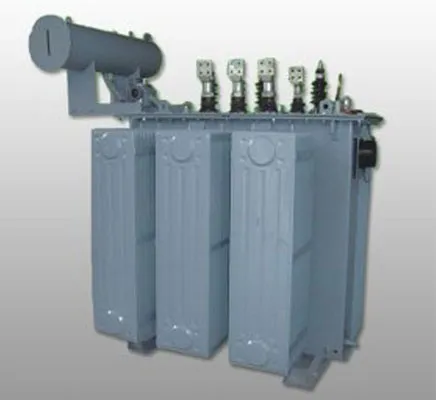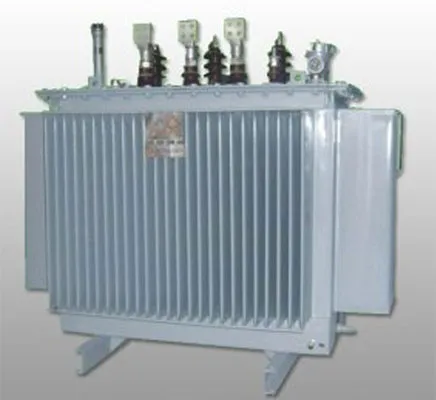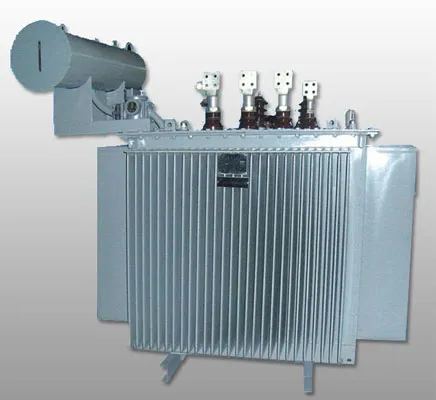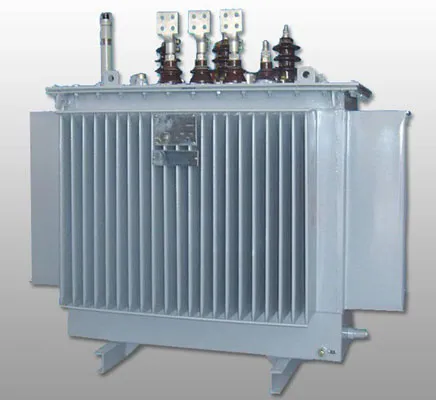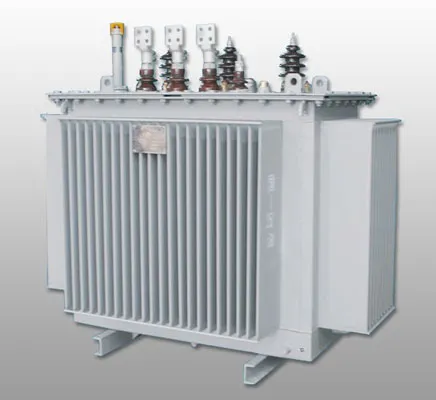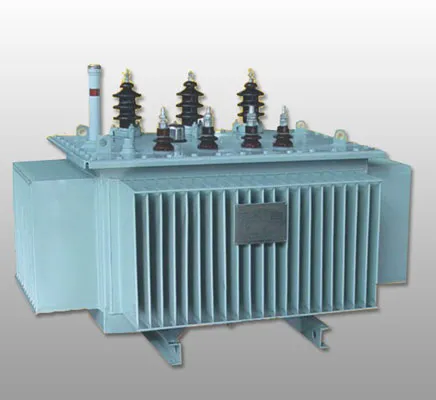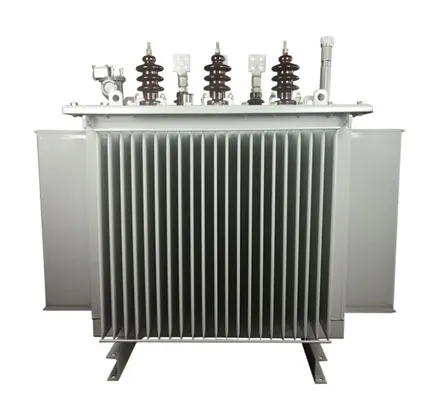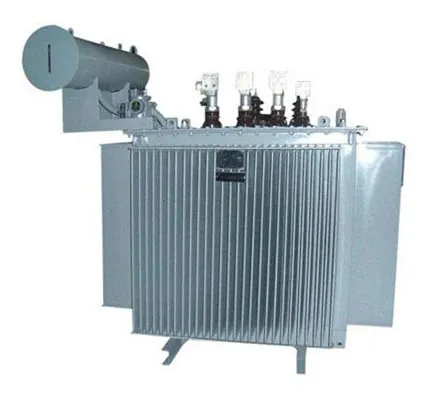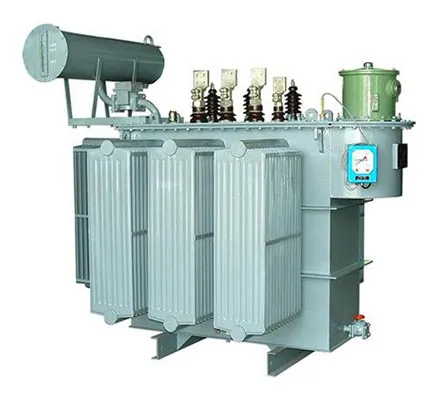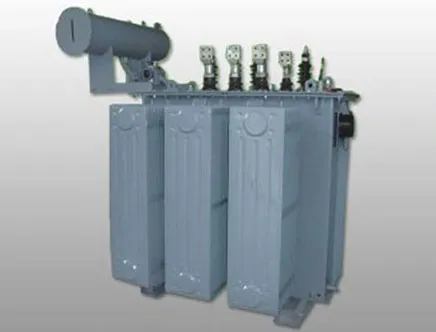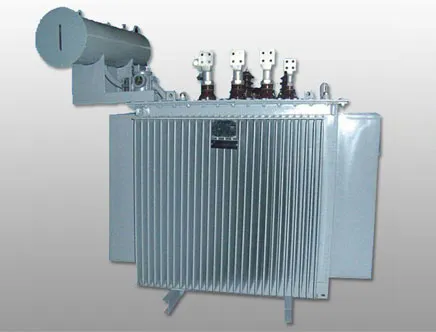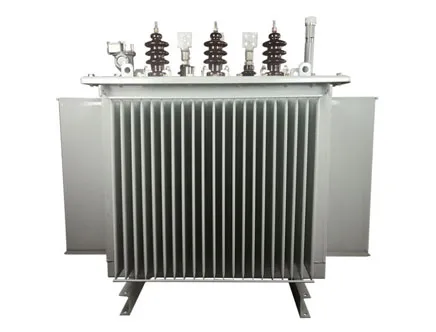
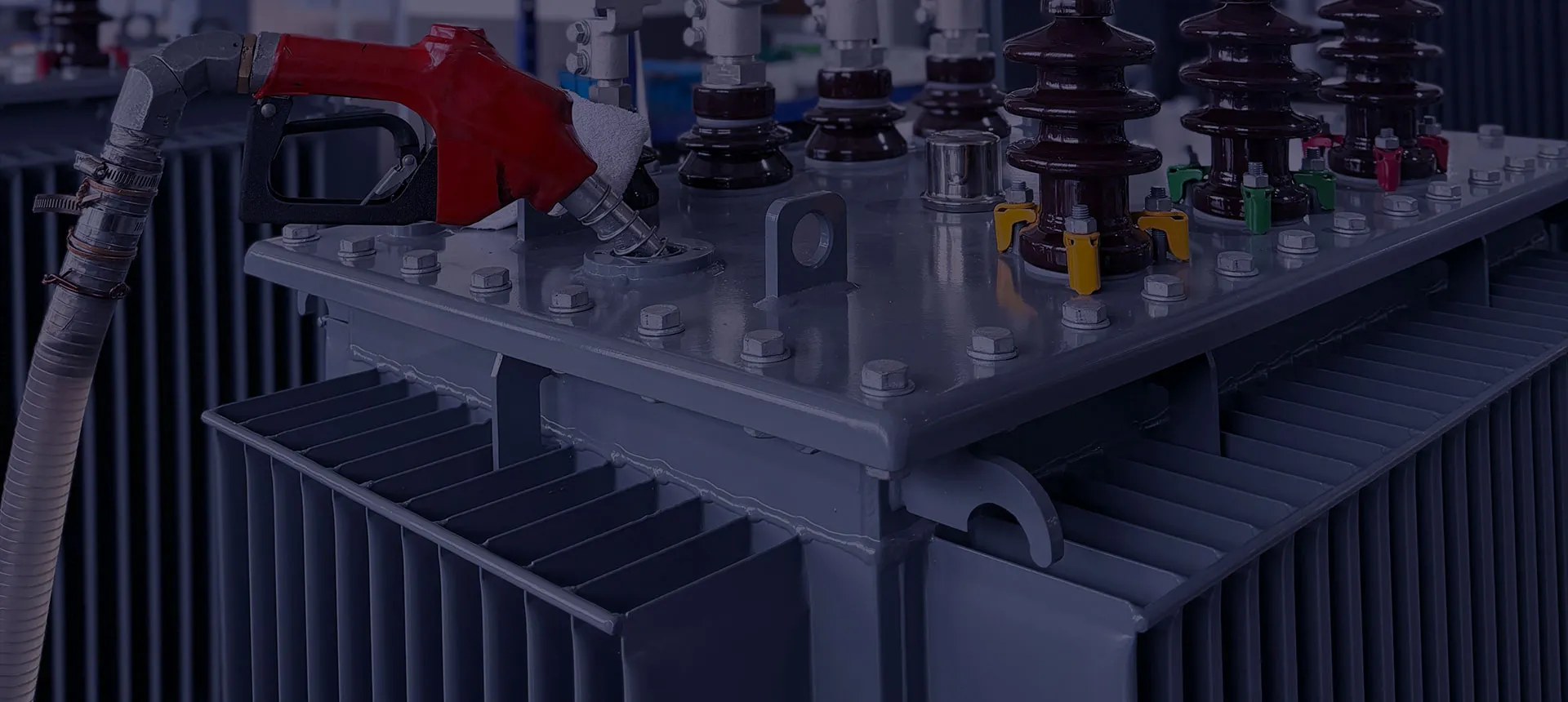

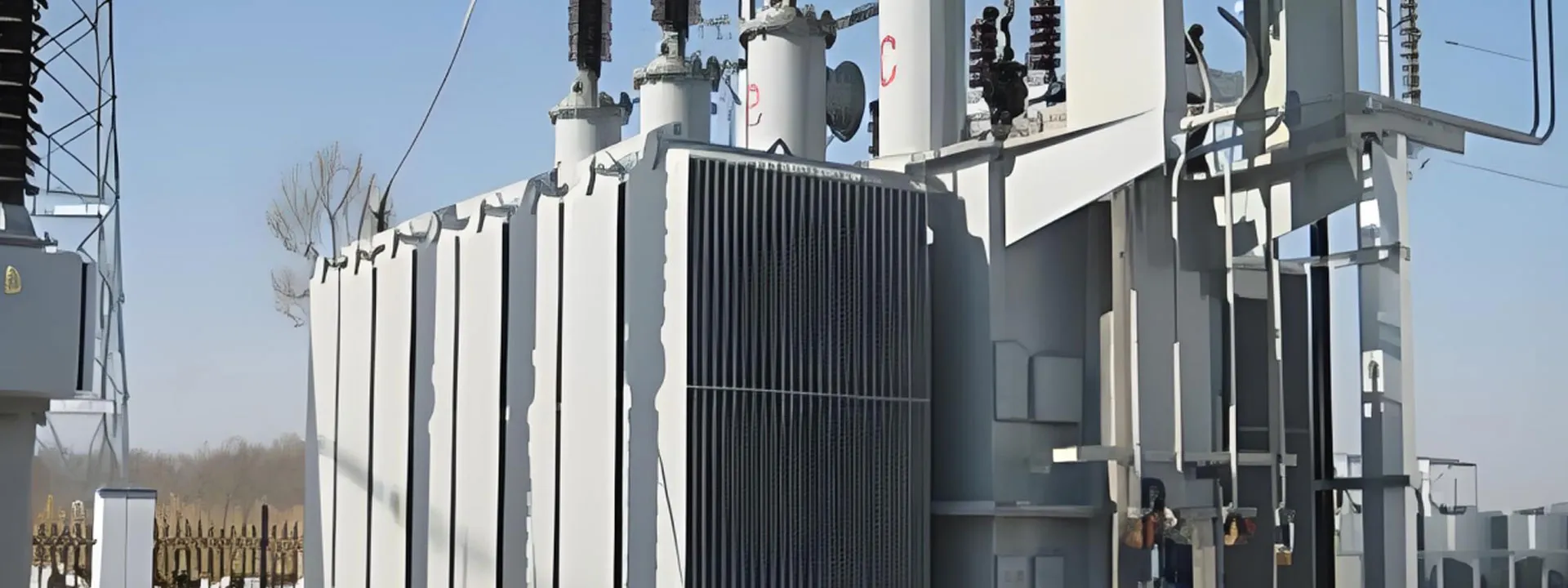
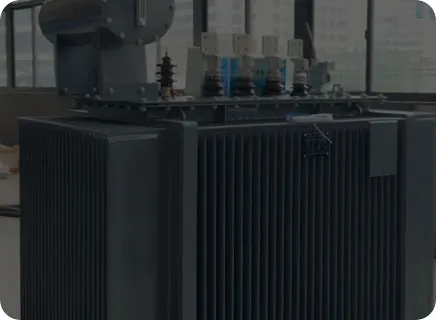
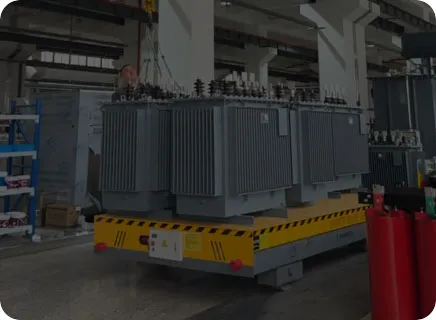
Oil distribution transformer is an electrical isolation transformer which convert high-voltage electricity to lower voltage levels acceptable for use in homes and business. A oil distribution transformer's function is straightforward: to step down the voltage and provide isolation between primary and secondary. Electrical energy is passed through oil distribution transformers to reduce high-distribution voltage levels down to end-use levels. Nearly all energy passes through at least one oil distribution transformer before being consumed by an end-use appliance, motor, or other piece of equipment.
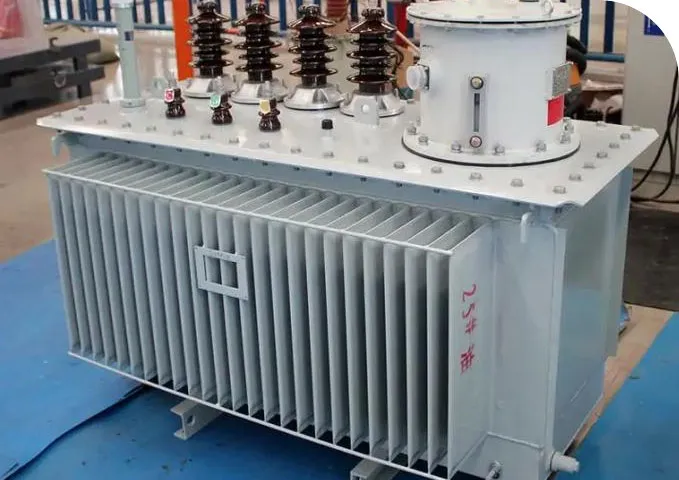
Oil type distribution transformers are fully oil-filled sealed and have been widely used in various distribution systems.
Oil type distribution transformers are available in all capacities from small to large, and they are also available in all voltage ratings.
Oil type distribution transformers are most often used outdoors. When building a distribution system, oil transformers are used where the site is large and oil transformers are used in hot and humid climates.
According to the load of the circuit system to select. In order to improve the utilization rate of the oil type distribution transformer, reduce the loss, transformer load current for 75 ~ 85% of the rated current is more reasonable.
Determine the type of load.
According to the expected maximum load value (KVA), check the table to determine the rated power of the selected amorphous alloy transformer.
Determine the normal overload capacity of the working amorphous alloy transformer based on the environmental conditions and the type of negative water.
 What Is the Biggest Difference Between Oil-Immersed Transformers and Dry-Type Transformers?
Oil-immersed transformers: Use transformer oil for insulation and cooling. They have lower cost, larger capacity, and stronger overload capability, making them suitable for outdoor installations and substations.
Dry-type transformers: Use resin or air insulation. They are fire-resistant, explosion-proof, and cleaner, making them ideal for indoor environments such as commercial buildings, shopping malls, and basements.
Simple rule:
Use oil-immersed transformers for outdoor heavy loads, and dry-type transformers for indoor fire-sensitive environments.
What Is the Function of Oil in an Oil-Immersed Transformer?
Insulation – Improves dielectric strength and prevents high-voltage breakdown.
Cooling – Transfers heat away from the core and windings.
Arc suppression – Assists in extinguishing arcs in switches and tap changers.
Protection – Slows insulation aging and extends the transformer's service life.
What Are the Risks If the Oil Level Is Too High or Too Low During Transformer Operation?
Oil level too low:
Insulation parts may become exposed, increasing the risk of electrical breakdown, discharge, and winding damage.
Oil level too high:
When the oil expands due to heat, it may overflow or leak, causing waste and potential environmental pollution.
The oil level should always remain between the upper and lower marks on the oil level indicator.
What Oil Temperature Is Normal During Operation? When Should the Transformer Be Shut Down?
Top oil temperature ≤ 85°C is generally considered normal.
Alarm temperature: typically around 95°C.
If the temperature exceeds 105°C or rises abnormally, the transformer should be shut down immediately for inspection to prevent accelerated insulation aging or even transformer failure.
What Are the Key Items to Check in Routine Maintenance of an Oil-Immersed Transformer?
Check oil level and oil color (dark or cloudy oil indicates contamination).
Listen to the operating sound (a normal transformer produces a uniform humming sound; unusual noises require attention).
Monitor oil temperature and ambient temperature.
Inspect for oil leakage.
Perform regular oil analysis and insulation testing.