English
  français
  Español
  русский
  العربية
  tiếng việt
  Malay
Malay  Indonesia
  বাঙালি
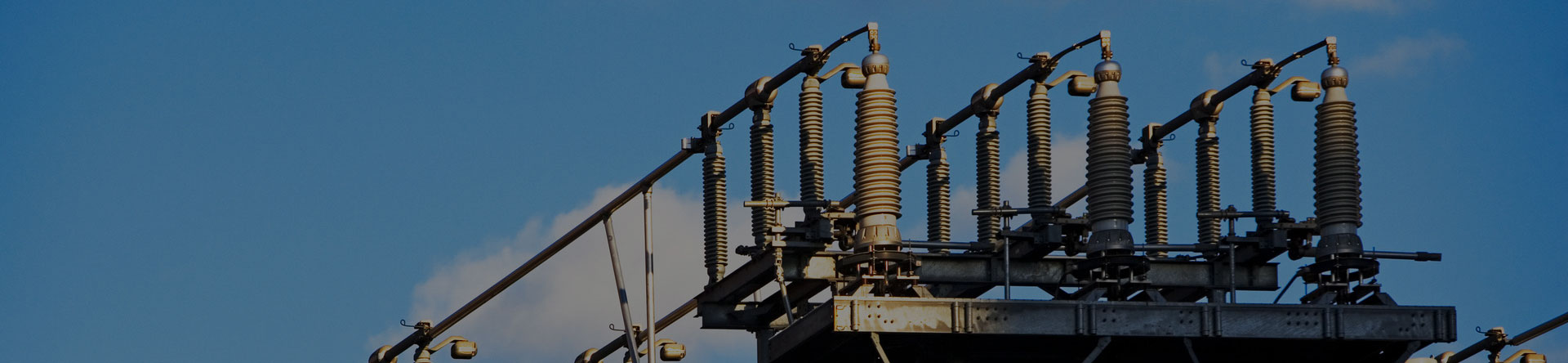
Electricity generated at power plants must travel long distances before reaching homes, commercial buildings, and industrial facilities. However, transmitting electricity directly at the low voltage generated by power stations would result in significant energy losses during transportation.
This is where a step up transformer becomes essential. Understanding the function of step up transformer helps explain why modern power grids rely on these devices to efficiently transfer electricity over long distances.
The main purpose of a step up transformer is to increase electrical voltage while reducing current, allowing electricity to be transmitted more efficiently through high-voltage transmission lines. From large-scale power stations to renewable energy projects, step up transformers play a critical role in maintaining reliable and economical electricity supply.
Overview
According to IEEE C57.12.00 Standard for Liquid-Immersed Transformers, transformers are designed to provide reliable voltage transformation while maintaining safe and efficient operation in electrical networks. This guide explains what a step up transformer does, how it works, why it is important, and where it is commonly used.
What Is the Function of Step Up Transformer?
Many people ask, “what is the function of step up transformer?” Simply explained, a step up transformer increases the output voltage from a lower level to a higher level through electromagnetic induction.
| Function | Description |
| Voltage Increase | Raises voltage from generation level to transmission level. |
| Current Reduction | Reduces current to minimize transmission losses. |
| Power Transfer | Enables efficient electricity movement over long distances. |
| System Protection | Helps maintain stable electrical network operation. |
| Grid Integration | Connects generation systems with transmission networks. |
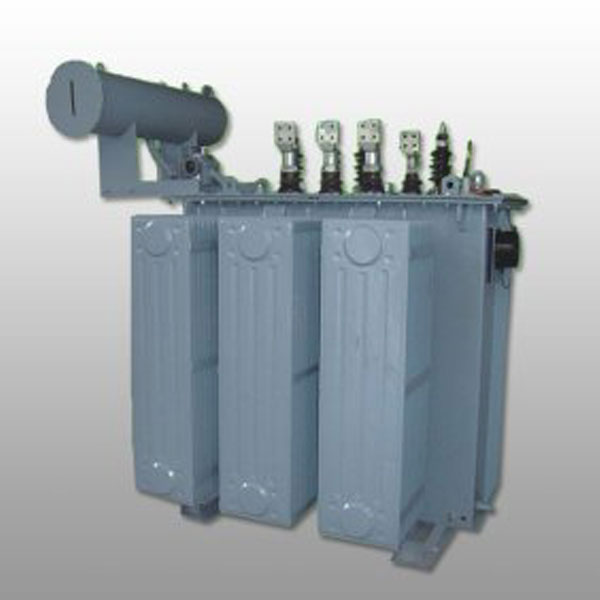
The primary role of transformer equipment is not to generate electricity but to adjust voltage levels according to different stages of the power system. For example, electricity produced by a generator may need to be increased from several kilovolts to hundreds of kilovolts before entering a transmission network.
Working Principle of Step Up Transformer
How Does a Step Up Transformer Work?
The working principle of step up transformer is based on electromagnetic induction. A transformer consists mainly of:
Primary winding
Secondary winding
Magnetic core
When alternating current flows through the primary winding, it creates a changing magnetic field inside the core. This magnetic flux induces voltage in the secondary winding.
More Secondary Turns
In a step up transformer, the secondary winding has more turns than the primary winding.
Higher Output Voltage
Because of the winding turns ratio, the output voltage becomes higher than the input voltage.
Lower Output Current
As voltage increases, output current decreases proportionally for efficient transmission.
Where Vs = secondary voltage, Vp = primary voltage, Ns = secondary winding turns, and Np = primary winding turns.
This design allows transformers to increase voltage without changing the frequency of electrical power.
What Is the Role of a Step Up Transformer in Power Systems?
The role of a step up transformer is mainly associated with electricity transmission efficiency. By increasing voltage and reducing current, it helps power systems deliver electricity over long distances with lower losses.
Reducing Transmission Losses
When electricity travels through transmission cables, power loss occurs because of resistance. The formula below shows why reducing current is important:
Since power loss is proportional to the square of current, reducing current can significantly decrease energy loss.
By increasing voltage, a step up transformer reduces current while transmitting the same amount of power. This makes long-distance electricity transmission more efficient.
Connecting Power Plants to Transmission Networks
Power generators usually produce electricity at medium voltage levels. Before electricity enters high-voltage transmission systems, step up transformers increase the voltage to suitable levels. This connection allows power stations to supply electricity to cities and industrial areas hundreds of kilometers away.
Supporting Renewable Energy Integration
Solar farms, wind farms, and hydroelectric plants often generate electricity at voltage levels unsuitable for long-distance transmission. Step up transformers increase the voltage so renewable energy can be efficiently delivered to the grid.
According to the International Renewable Energy Agency, efficient grid connection technologies are essential for integrating increasing amounts of renewable energy into modern electricity networks.
What Is the Purpose of a Step Up Transformer?
The purpose of a step up transformer is to improve the efficiency, reliability, and flexibility of electrical power transmission.
Long-Distance Electricity Transmission
High voltage transmission allows electricity to travel farther with lower losses.
Improved Grid Efficiency
Higher voltage reduces current demand, helping utilities optimize infrastructure investment.
Better Power Distribution Management
Transformers allow different sections of the power network to operate at appropriate voltage levels.
Support for Large-Scale Energy Projects
Large power plants and renewable energy facilities depend on step up transformers to connect with national and regional grids.
Advantages of Step Up Transformer
Understanding the advantages of step up transformer helps explain why these devices are essential components in modern power systems. By increasing voltage and improving transmission efficiency, step up transformers provide significant technical and economic benefits.
Higher Transmission Efficiency
The biggest advantage of a step up transformer is its ability to reduce power losses during long-distance transmission. When voltage increases, current decreases for the same power output. Since transmission losses are related to current, lower current helps reduce heat loss in cables and improves overall system efficiency.
Reduced Infrastructure Costs
High-voltage transmission requires smaller conductor sizes compared with low-voltage transmission systems carrying the same power. By using step up transformers, power companies can reduce the amount of conductive material required for transmission lines, lowering construction and maintenance costs.
Reliable Power Delivery
Step up transformers help maintain stable power transmission by connecting different voltage levels within the electrical network. They allow electricity generated from different sources to be integrated into transmission systems while maintaining safe operating conditions.
Better Support for Renewable Energy
Modern renewable energy projects are often located far from population centers. Wind farms, solar plants, and hydroelectric facilities require efficient transmission solutions to deliver electricity to consumers. Step up transformers enable these renewable energy sources to connect effectively with high-voltage grids.
What Is the Use of Step Up Transformer?
The use of step up transformer extends across many industries and energy applications. From traditional power generation to modern renewable energy systems, these transformers are fundamental to electricity infrastructure.
Power Generation Plants
Generators typically produce electricity at a voltage level suitable for the generator equipment but not suitable for long-distance transmission. A step up transformer increases this voltage before electricity enters the transmission network.
Electrical Transmission Networks
Transmission systems operate at high voltage because electricity must travel long distances efficiently. Step up transformers are installed between generation facilities and transmission lines.
Renewable Energy Systems
Solar photovoltaic plants and wind farms commonly use step up transformers to increase generated voltage before connecting electricity to the grid.
Industrial Applications
Some large industrial facilities use step up transformers when equipment requires higher voltage input than the available power supply.
Industrial applications commonly include:
Steel production plants
Mining operations
Large manufacturing facilities
Chemical processing plants
How Does a Step Up Transformer Work in Different Applications?
Although the basic operating principle remains the same, step up transformers are designed differently depending on application requirements.
| Application | Transformer Function | Typical Purpose |
| Power Plants | Increase generator voltage | Connect electricity to transmission networks. |
| Solar Farms | Increase inverter output voltage | Grid connection. |
| Wind Farms | Increase generated electricity voltage | Long-distance transmission. |
| Industrial Facilities | Provide higher operating voltage | Support specialized equipment. |
| Utility Substations | Adjust voltage levels | Improve grid flexibility. |
Different applications require different transformer capacities, insulation systems, cooling methods, and protection designs.
Difference Between Step Up Transformer and Step Down Transformer
Although both devices operate based on electromagnetic induction, their functions are different.
| Feature | Step Up Transformer | Step Down Transformer |
| Main Function | Increase voltage | Decrease voltage |
| Primary Winding Turns | Fewer turns | More turns |
| Secondary Winding Turns | More turns | Fewer turns |
| Current Output | Lower current | Higher current |
| Main Application | Power transmission | Consumer distribution |
A step up transformer is mainly used at the beginning of the transmission process, while a step down transformer is used closer to end users to reduce voltage to safe levels.
Why Choose ZJYB Electric for Step Up Transformer Solutions?
Choosing the right transformer manufacturer is important for ensuring reliable performance and long-term operation. ZJYB Electric provides transformer solutions designed for power generation, transmission, and distribution applications. Its transformer products are developed with attention to electrical performance, structural reliability, and project requirements.
Key advantages include:
Professional transformer manufacturing experience
Customized voltage and capacity solutions
Strict production quality control
Reliable electrical performance testing
Support for different power system applications
A properly designed step up transformer can improve energy transmission efficiency, reduce operational losses, and support stable electricity supply.
According to IEC 60076-1: Power Transformers – Part 1: General, transformer design and testing procedures are essential for ensuring safe and reliable operation throughout the equipment lifecycle.
Need a Step Up Transformer Solution for Your Project?
If you are looking for a step up transformer for power plants, renewable energy projects, substations, industrial facilities, or high-voltage transmission systems, ZJYB Electric can provide suitable transformer recommendations and technical support.
Contact ZJYB Electric to discuss voltage level, rated capacity, insulation system, cooling method, testing requirements, and project specifications.
Contact ZJYB ElectricFrequently Asked Questions
What is the function of step up transformer?
The function of step up transformer is to increase voltage while reducing current, allowing electricity to be transmitted over long distances with lower energy losses.
What is the working principle of step up transformer?
A step up transformer works through electromagnetic induction. Alternating current creates magnetic flux in the core, which induces a higher voltage in the secondary winding with more turns.
What is the role of a step up transformer in power systems?
The role of a step up transformer is to connect power generation sources with high-voltage transmission networks and improve electricity transmission efficiency.
What is the purpose of a step up transformer?
The purpose of a step up transformer is to increase voltage for efficient power transmission, reduce losses, and support reliable grid operation.
What is the use of step up transformer?
The use of step up transformer includes power plants, renewable energy projects, substations, industrial facilities, and high-voltage transmission systems.
Related Blog
Daily Maintenance of Step-up Transformer
Classification of Step-up Transformers (02)
How does the Step-up Transformer Work