English
  français
  Español
  русский
  العربية
  tiếng việt
  Malay
Malay  Indonesia
  বাঙালি

Dry Type Transformer vs Oil Type Transformer: Differences and Maintenance Guide
Choosing between a dry type transformer and an oil type transformer depends on more than voltage and capacity. Installation environment, cooling performance, fire safety, maintenance requirements, operating conditions, and lifecycle costs all need to be considered.
For engineers, contractors, facility managers, and electrical equipment buyers, understanding the difference between dry type transformer and oil type transformer is essential for selecting suitable equipment. This guide compares dry and oil-filled transformers, explains cast resin transformer designs, reviews common oil transformer types, and provides practical guidance on oil filled transformer maintenance and transformer oil filling.
What Is the Difference Between Dry Type Transformer and Oil Type Transformer?
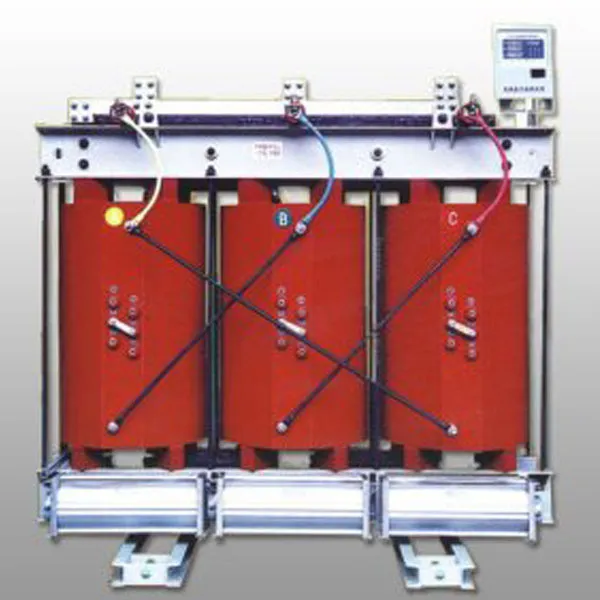
The main difference is the insulation and cooling medium. A dry type transformer does not use liquid insulating oil around its core and windings. Instead, it relies on air and solid insulation systems, with cast resin being a common construction. An oil type transformer immerses its core and windings in insulating oil, which provides both electrical insulation and heat transfer.
The IEC 60076-11:2018 – Power Transformers – Part 11: Dry-Type Transformers specifically covers dry-type power transformers within its defined scope, including units with equipment voltage up to 72.5 kV.
Feature | Dry Type Transformer | Oil Type Transformer |
Insulation | Air and solid insulation | Insulating oil |
Cooling medium | Air | Oil and air |
Common construction | Cast resin or non-encapsulated | Oil-immersed |
Fire considerations | No transformer oil | Oil leakage and fire protection must be considered |
Maintenance | Mainly cleaning and electrical inspection | Electrical, mechanical and oil maintenance |
Typical installation | Indoor facilities and buildings | Outdoor substations and distribution systems |
Oil testing | Not required | Often required |
Heat dissipation | Dependent on air circulation | Efficient liquid heat transfer |
Neither design is universally better. The appropriate choice depends on the application, transformer rating, installation location, safety requirements, and local regulations.
Cast Resin Transformer vs Oil Transformer
A cast resin transformer is a type of dry type transformer in which the windings are encapsulated with epoxy resin. This eliminates the need for liquid insulating oil and can make the transformer suitable for applications where oil-free operation is preferred.
By comparison, an oil transformer uses insulating liquid to provide both dielectric insulation and cooling. The oil surrounds the active components and transfers heat toward the tank and cooling surfaces.
When comparing cast resin vs oil type transformer, several factors should be considered:
Fire safety: Cast resin transformers do not contain a tank of mineral insulating oil.
Installation: Cast resin units are commonly considered for indoor electrical rooms and commercial or industrial buildings.
Cooling: Oil-filled transformers can provide efficient heat transfer through liquid circulation.
Maintenance: Cast resin transformers eliminate oil sampling and oil replacement, but still require electrical and thermal inspection.
Capacity: Oil-filled technology is widely used across distribution and power transformer applications.
The IEC 60076-11:2018 – Power Transformers – Part 11: Dry-Type Transformers provides the relevant international framework for dry-type transformer characteristics and requirements.
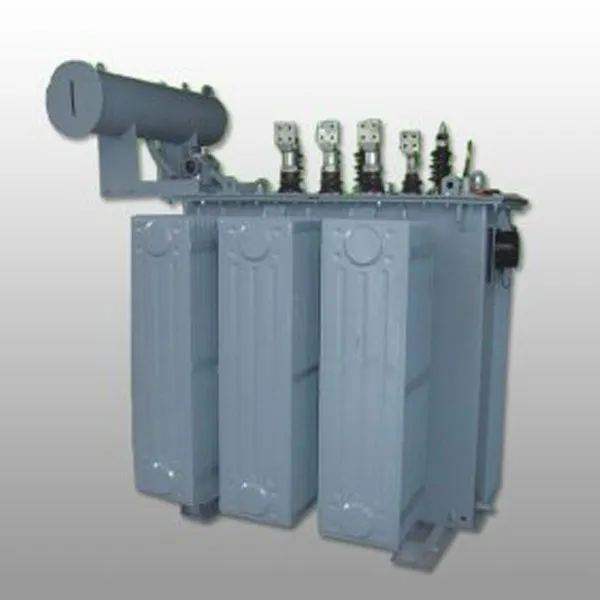
Common Oil Transformer Types
There are several oil transformer types, and their construction varies according to capacity, voltage, cooling arrangement, and application.
Oil-Immersed Distribution Transformers
Oil-immersed distribution transformers are commonly used to reduce distribution voltage for commercial, industrial, and utility consumers. Their windings and core are immersed in insulating oil inside the transformer tank.
Sealed Oil-Filled Transformers
Sealed transformers are designed to reduce direct contact between the insulating oil and atmospheric air. A sealed construction can help limit moisture and oxygen entering the transformer system.
Oil-Filled Power Transformers
Larger power transformers commonly use oil insulation and engineered cooling systems. Radiators, fans, pumps, and other cooling components may be incorporated depending on the transformer rating and design.
For mineral insulating oil, the IEC 60296:2020 – Fluids for Electrotechnical Applications – Mineral Insulating Oils for Electrical Equipment specifies requirements and test methods for unused and recycled mineral insulating oils used in transformers, switchgear, and similar equipment.
What Is an Oil Cooled Transformer?
An oil cooled transformer uses insulating liquid to transfer heat generated by electrical losses away from the core and windings.
During transformer operation, copper and core losses generate heat. The oil absorbs this heat and transfers it to the transformer tank, radiators, or other cooling equipment. Depending on the design, cooling can use natural or forced circulation and may incorporate natural or forced air.
Good thermal management is important because excessive operating temperature accelerates insulation ageing. Therefore, checking oil condition, cooling equipment, temperature indicators, and loading conditions should form part of an appropriate maintenance program.
Oil Filled Transformer Maintenance: Essential Procedures
Proper oil filled transformer maintenance helps maintain insulation performance, cooling efficiency, and operational reliability. The exact maintenance schedule should always follow the manufacturer's instructions and the transformer operating environment.
1. Inspect the Transformer Tank and Seals
Inspect the tank, flanges, valves, gaskets, bushings, and other connections for oil leakage, corrosion, cracking, or physical damage.
Oil leakage should not simply be addressed by adding more oil. The source of the leakage should be identified and repaired by qualified personnel.
2. Check Oil Level and Condition
The oil level should remain within the manufacturer's specified operating range. A falling oil level may indicate leakage or another abnormal condition.
Oil can also deteriorate because of moisture, oxidation, contamination, and prolonged thermal stress.
The IEC 60422:2024 – Mineral Insulating Oils in Electrical Equipment – Supervision and Maintenance Guidance provides guidance on monitoring and maintaining mineral insulating oils, including oil testing, evaluation, reconditioning, and reclaiming.
3. Inspect the Cooling System
Radiators, fans, pumps, valves, and cooling-control components should be checked for abnormal noise, vibration, blockage, leakage, or failure.
A cooling-system problem can cause transformer temperature to increase even when the electrical load has not changed significantly.
4. Check Bushings and Electrical Connections
Bushings should be inspected for contamination, cracks, damage, or signs of overheating. Electrical connections should also be checked for looseness and abnormal temperature.
5. Test Transformer Oil
Oil testing can help identify moisture, contamination, ageing, and deterioration of insulating properties.
For condition assessment, dissolved gas analysis can provide additional information about possible internal electrical or thermal problems. The IEC 60599:2022 – Mineral Oil-Filled Electrical Equipment in Service – Guidance on the Interpretation of Dissolved and Free Gases Analysis explains how dissolved and free gas concentrations can be interpreted when diagnosing oil-filled electrical equipment.
6. Keep Maintenance Records
Record oil-test results, inspection findings, temperatures, leakage observations, repairs, and component replacements. Tracking changes over time can help identify developing problems before they result in an unexpected outage.
Procedure of Filling Oil in Transformer Tank
The procedure of filling oil in transformer tank must be performed by qualified personnel using oil that meets the transformer manufacturer's specifications.
A general process includes:
1. Inspect and clean the transformer tank and oil-filling equipment.
2. Confirm that the insulating oil meets the required specification.
3. Test and filter the oil when required.
4. Verify valves, seals, gauges, and other components before filling.
5. Fill the transformer using controlled equipment and the manufacturer's specified procedure.
6. Use vacuum filling when required by the transformer design and service procedure.
7. Monitor the oil level during filling.
8. Check the transformer for leakage after filling.
9. Allow the system to stabilize as specified by the manufacturer.
10. Complete the required electrical and oil tests before energization.
The IEC 60296:2020 – Mineral Insulating Oils for Electrical Equipment provides the relevant specification framework for mineral insulating oils intended for transformer insulation and heat transfer.
The exact vacuum level, oil temperature, filling speed, settling time, and testing requirements should not be generalized because they vary between transformer designs. The manufacturer's technical documentation should take precedence.
Oil Type Transformer Maintenance vs Dry Type Transformer Maintenance
The maintenance requirements differ mainly because oil transformers have a liquid insulation and cooling system.
Oil type transformer maintenance normally includes oil-level inspection, leakage checks, oil sampling, oil testing, radiator inspection, breather inspection, and monitoring of other oil-system components.
Dry type transformers do not require oil maintenance. However, they still need regular cleaning, ventilation checks, connection inspection, temperature monitoring, and electrical testing.
Maintenance Item | Dry Type Transformer | Oil Type Transformer |
Dust cleaning | Required | Required |
Oil level inspection | Not applicable | Required |
Oil quality testing | Not applicable | Required |
Oil leakage inspection | Not applicable | Required |
Cooling system inspection | Required | Required |
Bushing inspection | Required | Required |
Electrical connection checks | Required | Required |
Dissolved gas analysis | Not applicable | Applicable where appropriate |
Therefore, an oil transformer does not simply require “more maintenance”; it requires a different maintenance program because oil condition directly affects insulation and cooling performance.
How to Choose Between Dry Type and Oil Type Transformers
Before selecting a transformer, evaluate the installation environment, capacity, voltage level, safety requirements, maintenance resources, and total cost of ownership.
A dry type transformer may be attractive when oil-free construction, indoor installation, and simplified oil-related maintenance are priorities.
An oil type transformer may be preferred where efficient liquid cooling, outdoor installation, or particular distribution and power-system requirements are important.
The decision should also consider applicable standards. For example, IEC 60076-2:2011 – Power Transformers – Part 2: Temperature Rise for Liquid-Immersed Transformers addresses temperature-rise requirements and testing for liquid-immersed transformers.
FAQ
What is the main difference between a dry type transformer and an oil type transformer?
The main difference is the insulation and cooling medium. Dry type transformers use air and solid insulation, while oil type transformers use insulating oil for electrical insulation and heat transfer.
Is a cast resin transformer better than an oil transformer?
Not in every application. Cast resin transformers can be advantageous where oil-free construction and indoor installation are important, while oil transformers offer efficient liquid cooling and are widely used in distribution and power applications.
What are the main oil transformer types?
Common categories include oil-immersed distribution transformers, sealed oil-filled transformers, and larger oil-filled power transformers. Specific designs vary by manufacturer and application.
How often should oil filled transformers be maintained?
There is no universal interval. Maintenance frequency should be determined according to the manufacturer's recommendations, transformer age, loading, environment, oil condition, and operating history.
Why is oil testing important for an oil cooled transformer?
Transformer oil performs both insulation and heat-transfer functions. Testing can help identify deterioration, contamination, moisture, and other conditions that may affect transformer reliability.
Can transformer oil be added without testing?
Adding oil without checking compatibility, quality, and the cause of a low oil level can create risks. The oil should meet the manufacturer's specification, and the reason for the low level should be investigated.
Conclusion
Understanding the difference between dry type transformer and oil type transformer is important when selecting equipment for distribution, industrial, commercial, and utility applications. Dry type and cast resin transformers provide an oil-free solution, while oil-filled transformers use liquid insulation to provide both dielectric performance and effective heat transfer.
For oil-filled equipment, oil filled transformer maintenance should cover oil level, oil quality, leakage, cooling systems, bushings, electrical connections, and condition monitoring. Standards provide useful technical references for insulating oil and its condition.
Ultimately, the best transformer is the one that matches the electrical requirements, installation environment, safety objectives, maintenance strategy, and applicable standards of the project.
Jump to Content Sections
Leave a Message
You May Also Like